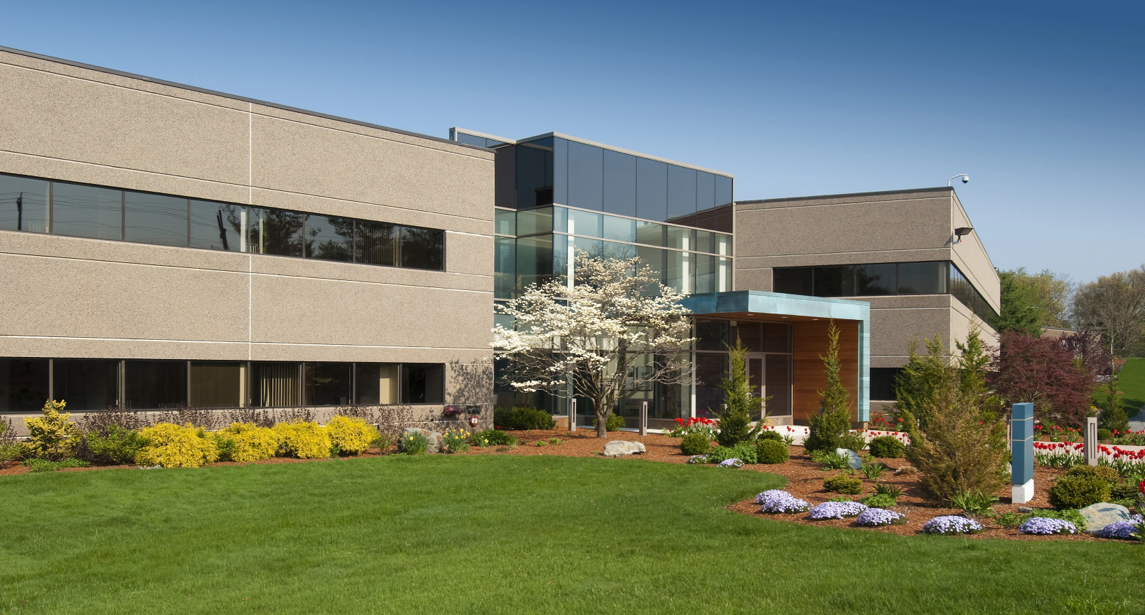
Commercial and industrial flat roofs are designed to last for several decades. However, their design, including large surface areas, low slopes, continuous exposure to the elements, and heavy mechanical equipment, makes them vulnerable to certain recurring problems. For building managers, knowing how to recognize these warning signs makes it possible to take action before a minor issue turns into a major leak.
Here are the most common problems we observe during commercial roof inspections across Quebec, along with what they mean for the lifespan of your roof.
1. Water Accumulation, or “Ponding Water”
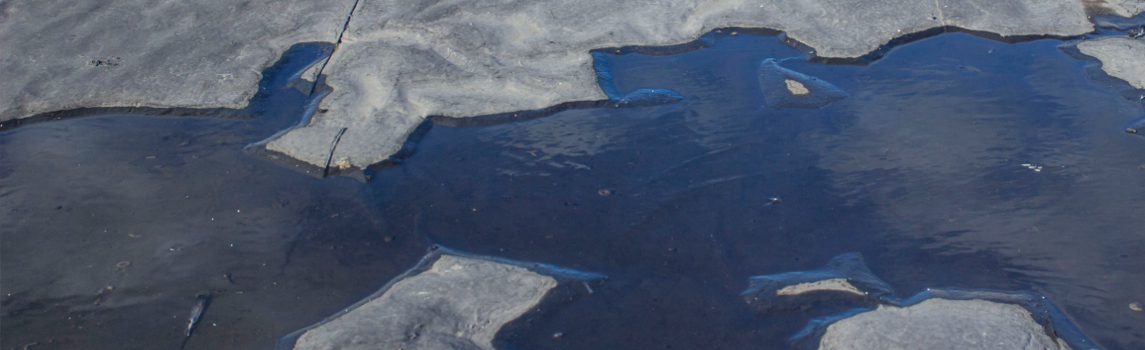
This is probably the most common problem affecting flat roofs. Water that remains on the roof for more than 48 hours after rainfall places continuous pressure on the membrane, accelerates its deterioration, promotes vegetation growth, and adds weight to the structure.
There are several possible causes, including an insufficient original slope, roof deck deflection, poorly positioned or blocked drains, and compressed insulation. To learn more, read our dedicated article on ponding water on flat roofs, which explains the causes, risks, and practical solutions in greater detail.
2. A Cracked or Detached Membrane
The membrane is the core component of the roof’s waterproofing system. It is constantly exposed to UV rays, temperature fluctuations, wind, hail, and foot traffic. Over time, several types of damage may appear:
- Surface cracks: An indication of advanced deterioration.
- Blisters: A sign that moisture is trapped between the membrane layers.
- Wrinkles or ripples: Often caused by structural movement or improper installation.
- Detachment: The membrane loses its adhesion to the surface, creating an immediate risk of wind uplift.
- Granule loss on a modified bitumen membrane: Reduced UV protection.
3. Damaged or Improperly Sealed Flashing
Flashing refers to the metal components that provide waterproofing at roof junctions, including parapet walls, mechanical equipment, chimneys, and skylights. These are particularly vulnerable areas because they combine two different materials, the membrane and metal, and are subject to expansion and contraction.
Common failures include hardened or cracked sealants, flashing loosened by wind, and wall coverings with open joints. Proper sheet metal work and regular sealant maintenance can prevent a significant proportion of roof leaks.
4. Blocked or Undersized Drains
A poorly maintained roof drain can turn a simple rainfall into a major problem. The most common issues include:
- Blockages caused by leaves, debris, or sediment.
- Missing or damaged drain strainers.
- A weakened or detached membrane-to-drain connection.
- Insufficient drainage capacity for the roof surface, which is often an original design issue.
Regular drain cleaning, incorporated into your preventive maintenance program, is one of the most cost-effective actions you can take for a commercial roof.
5. Damage Around Mechanical Equipment
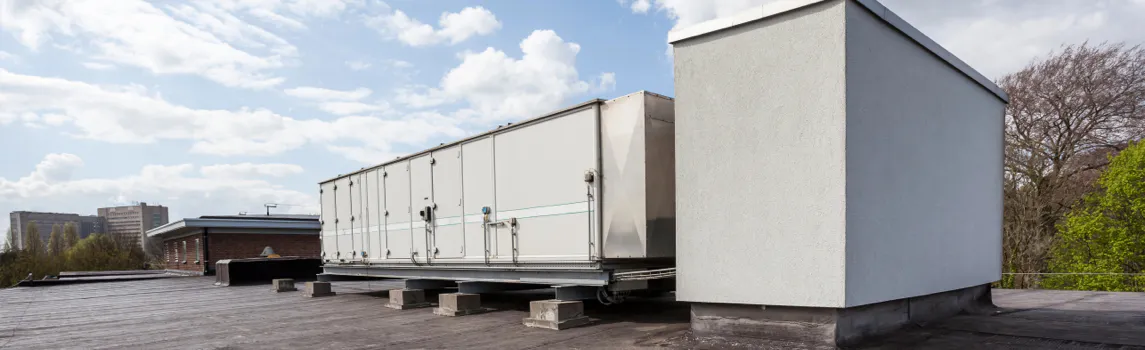
HVAC units, fans, ducts, and other rooftop equipment are vulnerable areas. Foot traffic from mechanical technicians, vibrations, occasional oil or condensate leaks, and concentrated loads can cause accelerated, localized deterioration.
It is common to find detached equipment bases, membranes punctured by tools, or deformed flashing. These areas should be visually inspected every time a technician performs work on the roof.
6. Premature Wear and Accelerated Aging
Sometimes, a roof deteriorates faster than expected, resulting in a loss of flexibility, drying, and increased brittleness. There may be several causes:
- Extreme UV exposure, especially on a dark roof facing south.
- A lack of maintenance over several years.
- Chronic ponding water.
- Particularly harsh freeze-thaw cycles, which are very common in Quebec.
- A roofing material that is poorly suited to the building’s use.
A LEED-compliant white roof or reflective roof can significantly reduce thermal stress and extend the lifespan of the membrane.
7. Damage Caused by Snow and Ice
Quebec winters bring their own set of challenges, including excessive snow accumulation, ice in the drains, loads exceeding the roof’s intended capacity, and damage caused by improper roof snow-removal operations. Proper winter preparation for your flat roof can significantly reduce these risks.
When Should You Request an Inspection?
You should request a professional inspection:
- At least twice a year, in the spring and fall.
- After a major weather event, such as strong winds, hail, or unusually heavy snowfall.
- When you notice visible signs of deterioration on your roof.
- Before purchasing, selling, or refinancing a commercial building.
- When the roof is approaching the end of its estimated service life.
Have Your Roof Assessed Before a Problem Gets Worse
Most commercial roofing problems are entirely manageable, provided they are detected early. Request an inspection from LK Toitures and receive a clear assessment, supported by photographs, of the actual condition of your building’s roof.